Energy
Already today, a quarter of the purchased electricity is green electricity.


The future always involves change. And change has never been more necessary than it is today. As a leading producer of polymer binders and additives, we accept this challenge and invite you to join us in developing appropriate solutions. For an economy and society built on clear and verifiable sustainability principles.
Sustainability has many facets. What are you concerned with? Reducing energy consumption in the construction sector? Supporting the transformation of mobility? Making cities more resilient? Conserving resources like water or sand? Our polymeric binders and raw materials are already part of many of these solutions – often used in small quantities, but usually providing high added value. For us, this is just the beginning. Let’s seize this opportunity together! For an economy and society built on clear and verifiable sustainability principles.
Sustainability is firmly anchored in WACKER’s corporate strategy. We aim to become carbon-neutral by 2045. We are convinced that sustainability is the key to tomorrow’s success and we invite all our partners to join us in achieving this goal.
*Peter Summo, Head of WACKER POLYMERS
Over the past decades, we have continuously reduced our specific energy consumption, waste generation and water consumption. As chemical production is particularly energy-intensive, a particular focus has been on reducing energy consumption and switching to a renewable energy supply wherever possible. But it is not only in the area of energy supply that we want to reduce the use of fossil raw materials. With our eco-product concept, we are also reducing the use of fossil raw materials in our products, by offering, for example, VINNAPAS® eco VAE binders or VINNOL® and VINNEX® eco resins.
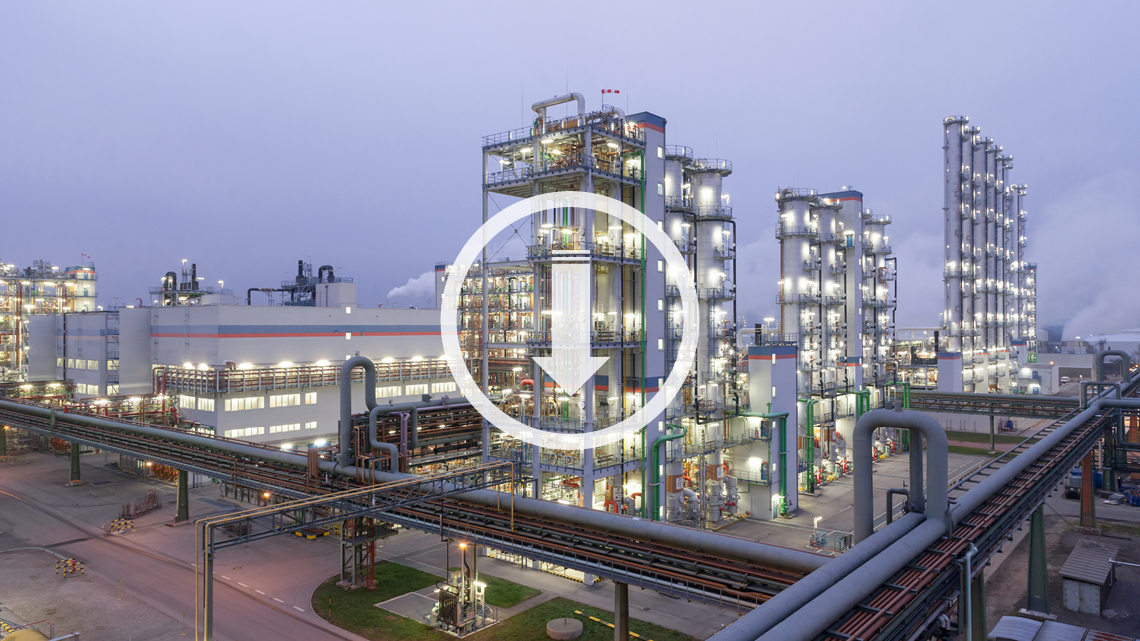
Already today, a quarter of the purchased electricity is green electricity.
Our highly integrated manufacturing processes continually improve the material utilization and energy efficiency of our processes. By-products from one process step are used as feedstocks for other products.
Learn moreWith our eco products, we are already replacing fossil fuels in the value chain with renewable raw materials. In using the mass balance approach, we are conserving fossil resources without changing the quality or properties of our products.
Learn more
*Gustavo Soares, Senior Global Marketing Manager
**Renate Glowacki, Senior Marketing Manager EMEA
We are a producer of polymer raw materials and, like many of our customers, we are at the beginning of the value chain. This is both a challenge and an opportunity. By thinking about the carbon footprint and potential of our products from the outset, we can make a valuable contribution to the transition to an economy built on sustainability principles. We are therefore pursuing a clear portfolio strategy focused on solutions that help our customers improve the environmental performance of their products or introduce new technologies with measurable sustainability benefits.
Our polymeric binders and additives enable a range of technologies that help reduce CO2 emissions. For example, our binders typically boost the performance of construction products – by lowering material demand and extending renovation cycles.
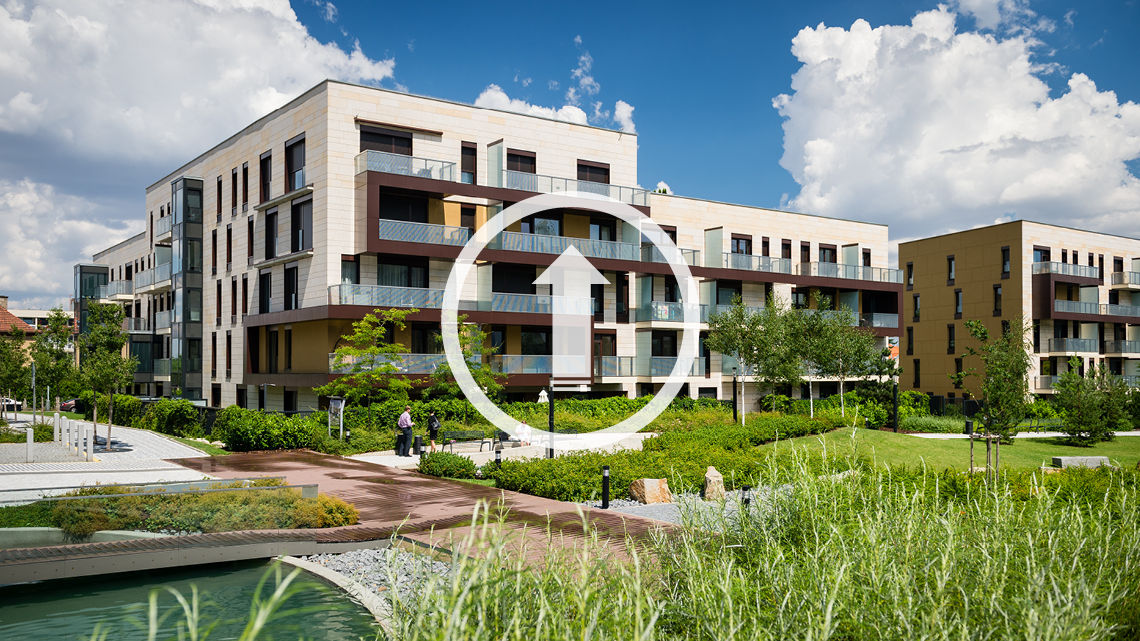
From production to disposal, a thin-bed tile adhesive modified with VINNAPAS® generates up to 60% less greenhouse gas emissions than a thick-bed tile adhesive mixed on site.
Learn moreWaterproofing membranes modified with VINNAPAS® prevent water from entering sewer systems and protect buildings from water damage.
Learn moreThe performance additive VINNEX® significantly improves the mechanical properties of thermoplastic biopolymers.
Learn moreETICS formulated with VINNAPAS® modified mortars can slash the energy consumption of buildings over the long term.
Learn moreRenders formulated with VINNAPAS® are ideal for providing long-term protection of energy-efficient facades.
Learn moreVINNAPAS® vinyl acetate-ethylene (VAE) binders enable the production of particularly low-emission interior paints that are long-lasting.
Learn more
*Dr. Rainer Fischer, Director Strategic Raws Polymers
We see that the chemical industry is now coming up with more and more scalable approaches to meet this requirement. Some of the carbon-reduction options are low cost and can be implemented easily. But many carbon-reduction options come at a high cost and require discussions between suppliers, WACKER and customers about the implementation strategy.
If you want to reduce your ecological footprint, you first need to know where you stand. This is why we have been working with emissions data at product level since 2010. Today, we can provide our customers with Product Carbon Footprints (PCFs) for each of our products. The PCF represents all of the greenhouse gas emissions associated with manufacturing a product up until it leaves the plant. The PCF is calculated in accordance with international standards using AllocNow’s Product Sustainability Platform.
Calculations are based on our actual product and process data – an approach that, unlike those calculation methods that are based on the chemical formulation and which are greatly dependent on the quality of the formulation data, makes for high-quality data. Customers can use the PCFs to determine their Scope 3 emissions more accurately.
Find out moreInnovation will be one of the keys in the transition to a more sustainable economy. And it’s not just about the big inventions. Over the past 100 years, we have seen that many small changes also lead to success. Let’s work together to pull out all the stops – from greater use of renewable raw materials and recyclable packaging to logistics and the question of how we can work together to make end-of-life of products more sustainable.
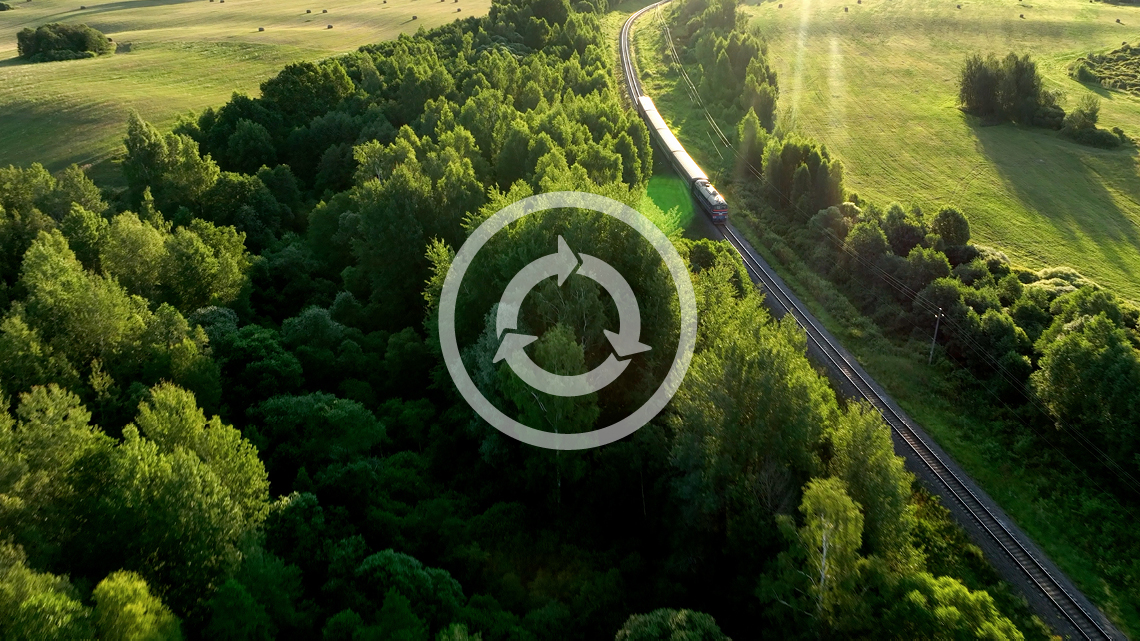
Our VINNAPAS® eco line has increased the amount of renewable raw materials available in our production and therefore for our customers.
Learn moreSwitching from bleached to unbleached transport bags for dispersible polymer powders saves up to 60% CO2, while the use of more sustainable IBCs reduces CO2 emissions by six kilograms per container for dispersions.
Learn moreWe are continually improving our processes to optimize supply chains and reduce or avoid transports. Wherever possible, we shift transports from road to rail.
Learn more