


Our system has noticed that you are based in , but the current country setting is . Select country
Press Photos
Please note our terms of use governing the use of press images.By downloading the images from our media database, you agree to these terms of use: Press images may only be used for press purposes (print, electronic media, online) and exclusively in the context of the associated press release and may not be edited. The picture credits (source: Wacker Chemie AG) are mandatory. Images deleted from the media database may no longer be used in the future. If a press photo is used, a copy of the publication or a link to the publication is requested. Otherwise, the copyright information www.wacker.com/disclaimer applies.

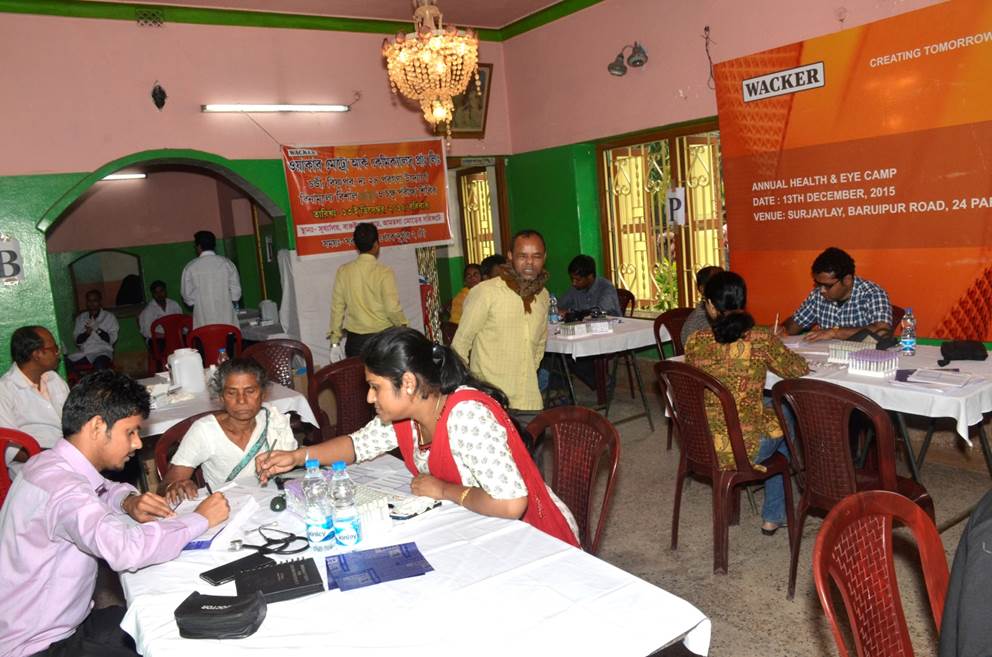


Health & Eye Camp 1
Wacker Metroark has been involved in the Health & Eye Camp provided for its neighbors since 2008.
(JPG, 66 KB) Download picture

Plant for Silicone Fluids Burghausen
The chemical company WACKER has considerably expanded its production capacity for functional silicone fluids at its Burghausen site. The investment measure was driven by the rising global demand for specialty fluids and silicone emulsions in the construction, coating, paper, cosmetics and personal care industries.
(JPG, 37 KB) Download picture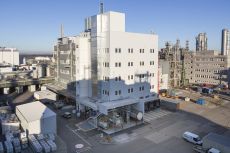

LUMISIL® 590
At the K 2016 Trade Fair for Rubber and Plastics, WACKER, the Munich-based chemical company, will present LUMISIL® 590 und LUMISIL® 591, two highly transparent LED encapsulants. They have a refractive index of 1.53 which boosts the efficiency of the lighting unit. They also protect the LED chip from damage and corrosive gases which prolongs its service life.
(JPG, 30 KB) Download picture