

Our system has noticed that you are based in , but the current country setting is . Select country
Growing Mangrove forests to counter climate change
Wacker Metroark promotes reforestation of mangrove forests
Climate Change, carbon emissions, severe natural calamities are terms we now frequently hear and remain apprehensive of the unpleasant consequences. Measures to combat them now need more efforts than ever
In the east of India, on the border with Bangladesh, lie the largest mangrove forests in the world. Where the Ganges flows into the Bay of Bengal, the Sundarbans cover an area of around 10,000 square kilometers and are home to a large number of rare animal and plant species. This unique estuary and floodplain is not only of critical importance for the local flora and fauna, it also protects the local population from the tropical cyclones that regularly occur.
However, due to global warming, rising sea levels and human influence, the mangrove forests are increasingly under threat. Salinization, deforestation and environmental pollution are causing mangrove forests around the world to shrink faster than land-based tropical rainforests, currently by up to two percent per year. Wacker Metroark is now promoting the conservation of this unique ecosystem as part of a reforestation project.

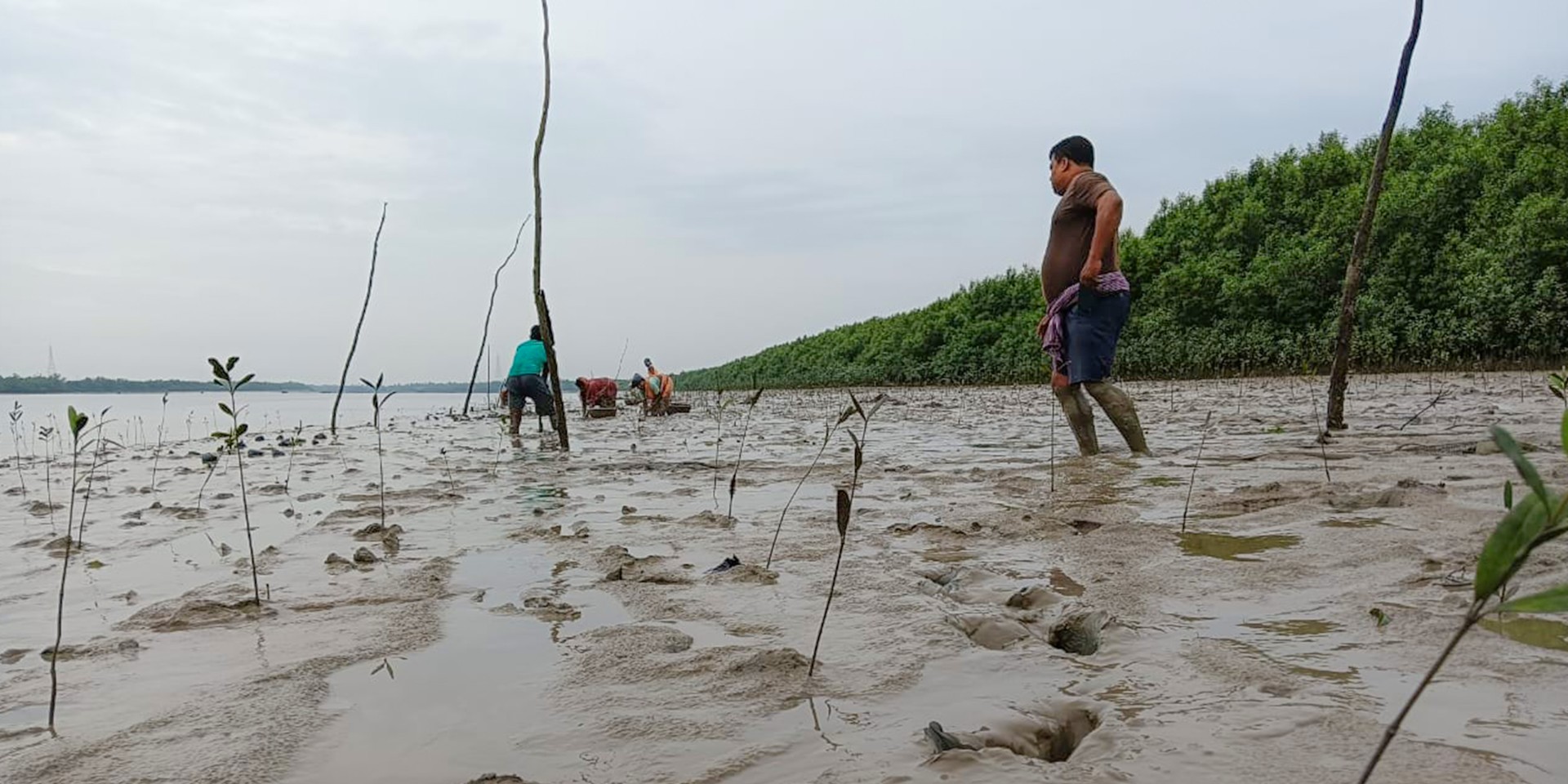
Planting Mangrove in riverbank
Wacker Metroark Chemicals operates a silicone production facility in the greater Kolkata area, in Amtala, less than 100 kilometers from the Sundarbans, and has now launched an ambitious project to restore this ecosystem. In cooperation with the non-profit organization Sundarban Green Environment Association, 40,000 mangrove seedlings have been planted along the four-kilometer-long riverbank since July last year. In a first step, the conservationists collected the seeds by hand and grew the young plants. To ensure the greatest possible success, the continuous care and monitoring of the seedlings will now continue until June 2027. Wacker Metroark employees will be supporting the various stages of the project during this time.

Drip irrigation for ecological sustainability
Further, to reduce the inhabitants’ dependency on the mangrove forests, Wacker Metroark Chemicals under its CSR initiative have ventured into drip irrigation based organic farming. The project seeks to empower farmers, emphasizing women self-help groups, in those mangrove areas. As the project area receives substantial rainfall, the rainwater will be stored in small water reservoirs and used for farming by drip irrigation. This will substantially reduce the usage of saline waters from rivers/canals. Also, the organic farm produces are expected to ensure sustainable living with enhanced livelihood opportunities.
These projects mark the commencement of a slew of initiatives that Wacker Metroark Chemicals thrives to undertake in future for reducing carbon footprints of the society, taming the destructive forces of nature, upliftment of human lives, livelihoods for a better future and sustainable living.
“Our business success is inextricably linked to the well-being of our local communities and the environment. Our corporate social responsibility initiatives reflect this.”
Contributing to climate neutrality
In addition to the direct positive impact on the local ecosystem, mangrove forests also play a key role in the fight against climate change. By storing carbon in the soil, mangroves are able to store up to ten times more CO₂ than other rainforests. By investing around €18,000, WACKER is not only helping to restore a threatened ecosystem, but is also supporting global sustainability goals. The aim of this reforestation project is to create concrete, measurable value that benefits society as a whole.


